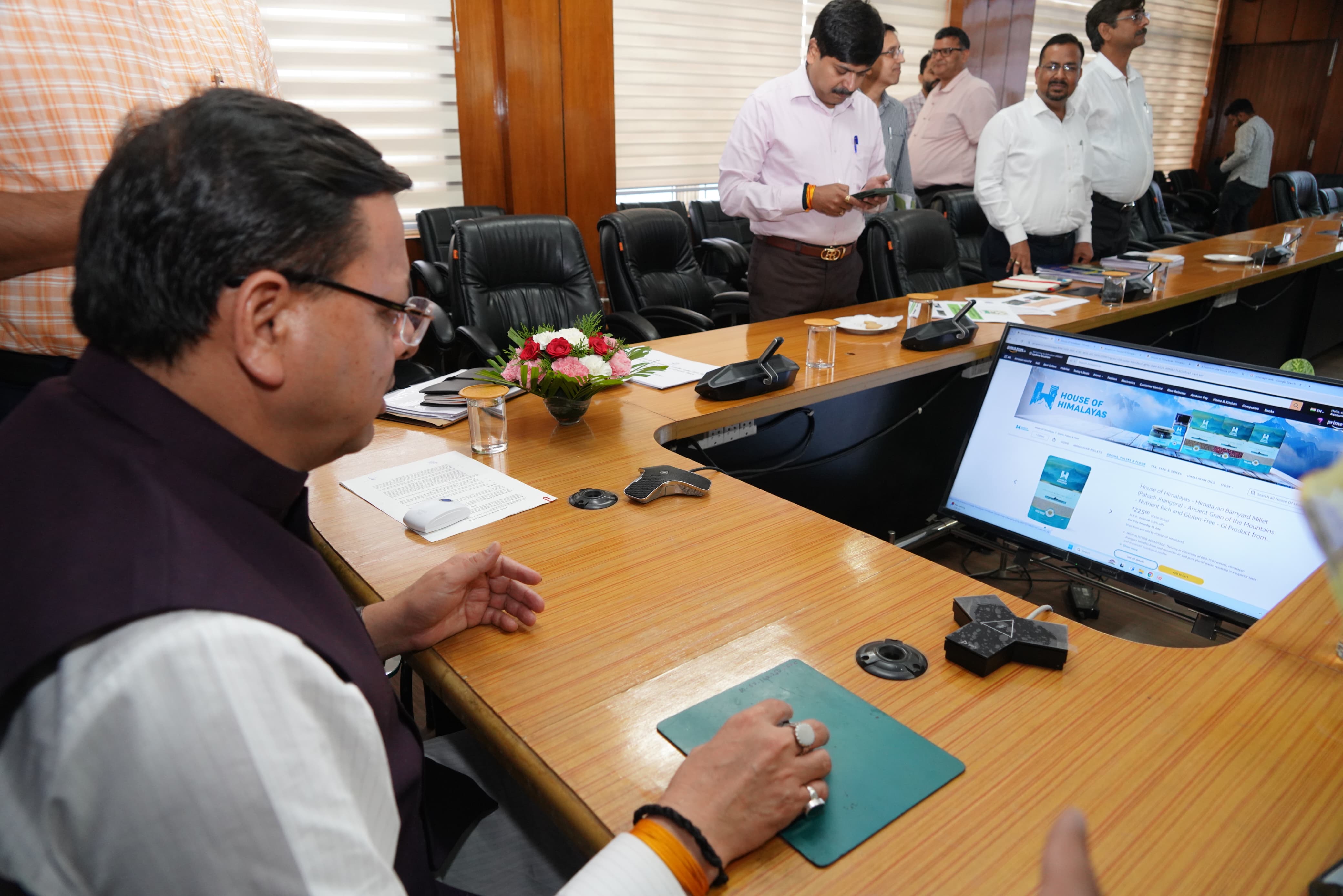
राष्ट्रीय सुशासन केंद्र, (एनसीजीजी) नई दिल्ली में आज कंबोडिया के सिविल अधिकारियों के लिए आयोजित ‘सार्वजनिक नीति और शासन’ विषय पर 5वां क्षमता निर्माण कार्यक्रम सफलतापूर्वक संपन्न हुआ। 2-सप्ताह का यह कार्यक्रम विदेश मंत्रालय (एमईए) के सहयोग से 24 जून से 5 जुलाई, 2024 तक आयोजित किया गया। कार्यक्रम में कंबोडिया साम्राज्य के 40 सिविल अधिकारियों ने भाग लिया, जो सिविल सेवा मंत्रालय और कंबोडिया की सीनेट के संयुक्त सचिव, निदेशक, उप सचिव और अवर सचिव जैसे पदों पर हैं। कार्यक्रम ने नीति संवाद और सर्वोत्तम तौर-तरीकों को साझा करने के लिए एक मंच प्रदान किया, जिससे प्रतिभागियों को संस्थागत परिवर्तन और नागरिक सहभागिता में मूल्यवान अंतर्दृष्टि प्राप्त करने में मदद मिली।
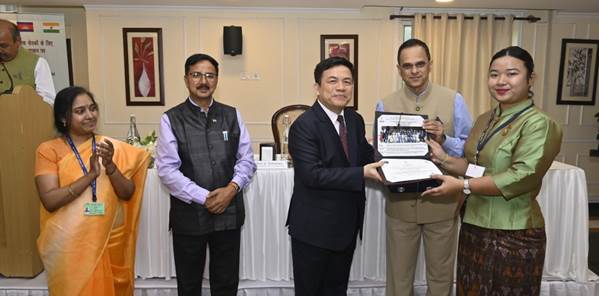
समापन सत्र की अध्यक्षता राष्ट्रीय सुशासन केंद्र (एनसीजीजी) के महानिदेशक (डीजी) और प्रशासनिक सुधार एवं लोक शिकायत विभाग (डीएआरपीजी), भारत सरकार के सचिव श्री वी. श्रीनिवास ने की, जिन्होंने दोनों देशों के बीच लंबे समय से चले आ रहे मैत्रीपूर्ण और ऐतिहासिक संबंधों के महत्व पर प्रकाश डाला। उन्होंने कहा कि नागरिक और सरकार के बीच आपसी सहभागिता को सरल बनाना सिविल अधिकारियों की भूमिका होती है। शिकायत निवारण मॉडल से कई उदाहरण पेश करते हुए उन्होंने विस्तार से बताया कि कैसे प्रौद्योगिकी ने पारदर्शिता और जवाबदेही को बेहतर बनाते हुए नागरिकों को सरकार के करीब लाने में महत्वपूर्ण भूमिका निभाई है। उन्होंने उत्कृष्ट और सार्थक प्रस्तुतियाँ देने के लिए प्रतिभागी अधिकारियों की सराहना की।
इस अवसर पर भारत में कंबोडिया साम्राज्य के उच्चायुक्त व मुख्य अतिथि श्री कोय कुओंग ने दोनों सभ्यताओं के बीच प्राचीन संबंधों के बारे में बात की और अपने अधिकारियों के क्षमता निर्माण में समर्थन करने के लिए भारत सरकार को धन्यवाद दिया। उन्होंने विस्तार से बताया कि किस तरह दोनों देश ज्ञान और बुद्धि का आदान-प्रदान कर रहे हैं और लोग तीर्थयात्रा तथा चिकित्सा आवश्यकताओं के लिए एक-दूसरे देशों की यात्रा कर रहे हैं। उन्होंने कहा कि समापन सत्र के दौरान प्रतिभागियों द्वारा कार्यक्रम से सीखी गई बातों को व्यावहारिक और उत्कृष्ट प्रस्तुतियों के रूप में प्रदर्शित करना उत्साहजनक था। उन्होंने इस बात पर प्रकाश डाला कि द्विपक्षीय संबंध दोनों देशों के बीच सहयोग के मूल में हैं, जिसका उद्देश्य दोनों देशों की मानव संसाधन पूंजी का निर्माण करना है, जो आम लोगों की आकांक्षाओं को पूरा करने के लिए आवश्यक है तथा जिससे सुशासन प्राप्त करने में मदद मिलती है।
कंबोडिया की सीनेट की उप महानिदेशक और कंबोडिया प्रतिनिधिमंडल की प्रमुख महामहिम सुश्री से पग्नवथे ने इस अवसर के लिए भारत सरकार का आभार व्यक्त किया। उन्होंने कंबोडियाई सिविल सेवा अधिकारियों के लिए इस तरह के प्रशिक्षण कार्यक्रम के आयोजन के लिए एनसीजीजी के महानिदेशक श्री वी. श्रीनिवास और प्रशिक्षण टीम को भी धन्यवाद दिया। उन्होंने विस्तार से बताया कि कैसे उन्होंने सार्वजनिक नीति और शासन के क्षेत्र में कई सर्वोत्तम तौर-तरीकों को सीखा और कैसे भारत में प्रौद्योगिकी का लाभ उठाया जा रहा है। उनका मानना था कि वे इस तरह के अनुभव की प्रतीक्षा कर रहे हैं और इससे अधिकारी अपने देश के लोगों को बेहतर सेवाएं दे सकेंगे और इससे अंततः सुशासन प्राप्त करने में मदद मिलेगी।
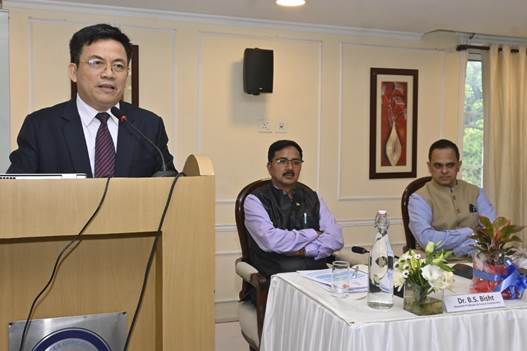
सीखने के परिणामों के हिस्से के रूप में भाग लेने वाले अधिकारियों ने “कंबोडिया में नीति निर्माण और कार्यान्वयन में सिविल सेवाओं की भूमिका”, “कंबोडिया में सामाजिक संरक्षण”, “कंबोडिया हाइब्रिड डिजिटल 2050 की ओर” और “नीति निर्माण और कार्यान्वयन में कंबोडिया संसद की भूमिका” विषयों पर चार विस्तृत और व्यावहारिक प्रस्तुतियाँ दीं।
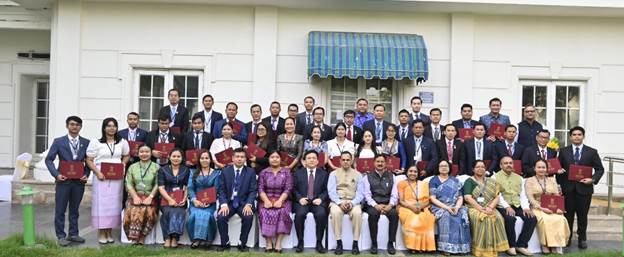
एनसीजीजी के एसोसिएट प्रोफेसर और कार्यक्रम के पाठ्यक्रम समन्वयक डॉ. बी.एस. बिष्ट ने कार्यक्रम के बारे में विस्तृत जानकारी दी। उन्होंने कहा कि प्रशिक्षण के पहले सप्ताह में विभिन्न विषयों पर ध्यान केंद्रित किया गया, जिसमें सार्वजनिक नीति और प्रबंधन, जीईएम: सरकारी खरीद में पारदर्शिता लाना, भारतीय संवैधानिक योजना में संसद, भारत-कंबोडिया संबंध, अवसंरचना में सार्वजनिक-निजी भागीदारी, सुशासन के लिए एक उपकरण के रूप में आधार, स्वास्थ्य शासन, शासन पर संसदीय उपकरणों का प्रभाव, विभिन्न विकास योजनाओं के सर्वोत्तम तौर-तरीके, 2023 तक एसडीजी प्राप्त करने के दृष्टिकोण, विकसित भारत: उद्योग और अवसंरचना में नीतियां और विकास, वित्तीय समावेश, शासन के बदलते प्रतिमान, नेतृत्व और संचार, शहरी शासन और स्थाई शहर, भारत में सिविल सेवाएं, घरों तक सेवाओं की उपलब्धता, ई-शासन और डिजिटल सार्वजनिक सेवा अदायगी, लैंगिक विकास और प्रशासन में नैतिकता, प्रधानमंत्री फसल बीमा योजना के अनुकरणीय निष्पादन पर पीएम पुरस्कार कार्यक्रम आदि शामिल थे। कार्यक्रम के दूसरे चरण में देहरादून में स्मार्ट सिटी परियोजना और सूचना प्रौद्योगिकी विकास एजेंसी; गौतम बुद्ध नगर, उत्तर प्रदेश में जिला प्रशासन; संघ लोक सेवा आयोग और भारतीय संसद के दौरे शामिल थे। कार्यक्रम में प्रधानमंत्री संग्रहालय, बुद्ध मंदिर और ताजमहल की यात्रा के दौरान देश के इतिहास और संस्कृति से भी परिचय कराया जाता है।
उल्लेखनीय है कि एनसीजीजी ने 17 देशों-बांग्लादेश, केन्या, तंजानिया, ट्यूनीशिया, सेशेल्स, गाम्बिया, मालदीव, श्रीलंका, अफगानिस्तान, लाओस, वियतनाम, नेपाल, भूटान, म्यांमार, इथियोपिया, इरेट्रिया और कंबोडिया के सिविल अधिकारियों को प्रशिक्षण दिया है।
समारोह में, एनसीजीजी की मुख्य प्रशासनिक अधिकारी सुश्री प्रिस्का मैथ्यूज, एनसीजीजी की एसोसिएट प्रोफेसर डॉ. हिमांशी रस्तोगी, एनसीजीजी की सहायक प्रोफेसर डॉ. गजाला हसन और अन्य उपस्थित थे। कार्यक्रम का पर्यवेक्षण और समन्वयन, पाठ्यक्रम समन्वयक डॉ. बी.एस. बिष्ट, सह-पाठ्यक्रम समन्वयक डॉ. संजीव शर्मा, प्रशिक्षण सहायक श्री बृजेश बिष्ट और युवा पेशेवर सुश्री मोनिशा बहुगुणा के साथ-साथ एनसीजीजी की क्षमता निर्माण टीम द्वारा किया गया।
श्रम एवं रोजगार मंत्रालय ने फॉक्सकॉन द्वारा विवाहित महिलाओं के साथ भेदभाव के मामले में तमिलनाडु सरकार के श्रम विभाग से प्राप्त रिपोर्ट राष्ट्रीय मानवाधिकार आयोग (एनएचआरसी) के पास भेज दी है।
एक अलग सूचना में, मंत्रालय ने एनएचआरसी को अमेज़न के गोदाम में श्रमिकों की समस्याओं के संबंध में हरियाणा सरकार की विस्तृत रिपोर्ट भी भेजी है। रिपोर्ट में अमेज़न द्वारा श्रम कानूनों के कुछ प्रावधानों के उल्लंघन का जिक्र किया गया है और बताया गया है कि राज्य सरकार ने संबंधित श्रम कानूनों के प्रावधानों के अनुसार कानूनी कार्रवाई शुरू की है।
Ministry of Labour and Employment has forwarded the report received from the Labour department of Tamil Nadu government in the matter of discrimination against married women by Foxconn to National Human Rights Commission (NHRC).
In a separate communication, the Ministry has also sent the Haryana Government’s detailed report on the issues of Amazon workers at their warehouse to NHRC. The report mentioned about violations of certain provisions of labour laws by Amazon and informed that the State Government has initiated legal action as per provisions of the concerned labour laws.
Ministry of Health and Family Welfare
The Food Safety and Standards Authority of India (FSSAI) has approved a proposal to display nutritional information regarding Total Sugar, Salt and Saturated Fat in bold letters and relatively increased font size on labels of packaged food items.
The decision to approve the amendment in the Food Safety and Standards (Labelling and Display) Regulations, 2020 regarding Nutritional information labelling was taken in the 44th meeting of the Food Authority, held under the chairmanship of Shri Apurva Chandra, Chairperson, FSSAI. The amendment aims to empower consumers to better understand the nutritional value of the product they are consuming and make healthier decisions.
The draft notification for the said amendment would now be put in the public domain for inviting suggestions and objections.
The information regarding per serve percentage (%) contribution to Recommended Dietary Allowances (RDAs) would be given in bold letters for total sugar, total saturated fat and sodium content. Regulation 2 (v) and 5(3) of FSS (Labelling and Display) Regulation, 2020 specifies requirements to mention serving size and nutritional information on the food product label, respectively.
Along with empowering consumers make healthier choices, the amendment would also contribute towards efforts to combat the rise of Non-Communicable Diseases (NCDs) and promote public health and well-being. The prioritisation of the development of clear and distinguish labelling requirements would help in the global effort to combat NCDs.
Further, FSSAI has been issuing advisories from time to time to prevent false and misleading claims. These include advisories sent to e-commerce website for removal of the term ‘Health Drink’ as it is not defined or standardized anywhere under the FSS Act 2006 or rules/regulations made thereunder, apart from directive mandating all Food Business Operators (FBOs) to remove any claim of ‘100% fruit juices’ from the labels and advertisements of reconstituted fruit juices, the use of the term wheat flour/ refined wheat flour, the advertisement and marketing of ORS along with prefix or suffix, nutrient function claim for multi-source edible vegetable oils etc. These advisories and directives are issued to prevent misleading claims by FBOs.
Senior officials from the Ministry of Health and Family Welfare, Ministry of Commerce, Ministry of Consumer Affairs, Food and Public Distribution, Ministry of Law and Justice, Ministry of Micro, Small and Medium Enterprises; States and Union Territories attended the meeting. Representatives from industry associations, consumer organizations, research institutes and farmers’ organisations were also present in the meeting.
Ministry of Culture
The Ministry of Culture, Government of India, on the occasion of the 46th Session of the World Heritage Committee Meeting, which is being held in New Delhi from 21st-31st July 2024, has initiated Project PARI (Public Art of India). To welcome the delegates to the city of Delhi more than 100 artists across the country representing various folk art and contemporary art traditions are coming together to bring to life their visions across various spots across Delhi under this Project, which has been undertaken by Lalit Kala Academy in collaboration with National Gallery of Modern Art.
These artists are working on various sites in the national capital for the beautification of the public spaces for the upcoming event. Come and join the celebrations. Click your selfie with a Project PARI creation and share your pictures on social media with #ProjectPARI.
Traditional art forms as well as sculptures, murals, and installations have been created under this beautification project. Women artists have also participated in this programme in large number with great enthusiasm. The aim of the PARI project is to provide a platform to uplift the aesthetic and cultural outlook of Delhi while adding grandeur to the rich historical legacy of our national capital.
ABOUT PARI PROJECT:
Public art spaces of India are a reflection of our Lok Kala and Lok Sanskriti. When we talk about Public Art, it is very dynamic and is an intersection of past, present and future. Through it, we can see the amalgamation of different ideas in various forms of art like traditional and contemporary. This art form which is freely accessible to the public; not only attracts the onlookers but also focuses curiosity in them regarding it's uniqueness and meaning alongwirh the method and material used to create it. Through various creative interpretations a special connect is built between the art and it's viewers..
With rapid urbanization, Public Art enhances a sense of distinctiveness and adds aesthetic value to the image of a city. It contributes to the visual quality of the public arena encouraging community pride with a sense of belonging. It uplifts and engages visitors or passers-by’s travel experience by leaving an imprint in their minds.
Art is a vital medium to propagate and spread messages through creativity, hence the outreach of Public Art is immense and thought-provoking. It acts as a significant factor in giving visual recognition to a specific place. The public art augments and induces meaning to a public space making it an integral part of the culture and society.
जब मीडिया सत्ता की ढाल बने, तब जनता की पत्रकारिता ज़रूरी लोकतंत्र के चार स्तंभों में मीडिया को इसलिए जगह दी गई थी ताकि वह सत्ता पर निगरानी र...